A new garage door is one of the few home projects you’ll see every single day, and one of the few that tends to pay back a good share of its cost when you sell. It’s also easy to overspend on, because the brochures are full of options most homes don’t need.
This guide walks you through the decisions in the order an experienced installer would: what the door is made of, how it opens, how well it’s insulated, how it looks, and what a fair price is. By the end you should know exactly what to ask for when you get quotes.
Short on time? For most American homes, an insulated steel sectional door in a standard size is the best value: tough, low-maintenance, quiet and reasonably priced. Everything below helps you decide whether your home is the exception.
Get quotes for a new garage door
Enter your ZIP code to compare prices from local installers. It takes about two minutes, and there's no obligation.
Free, with no obligation to hire.
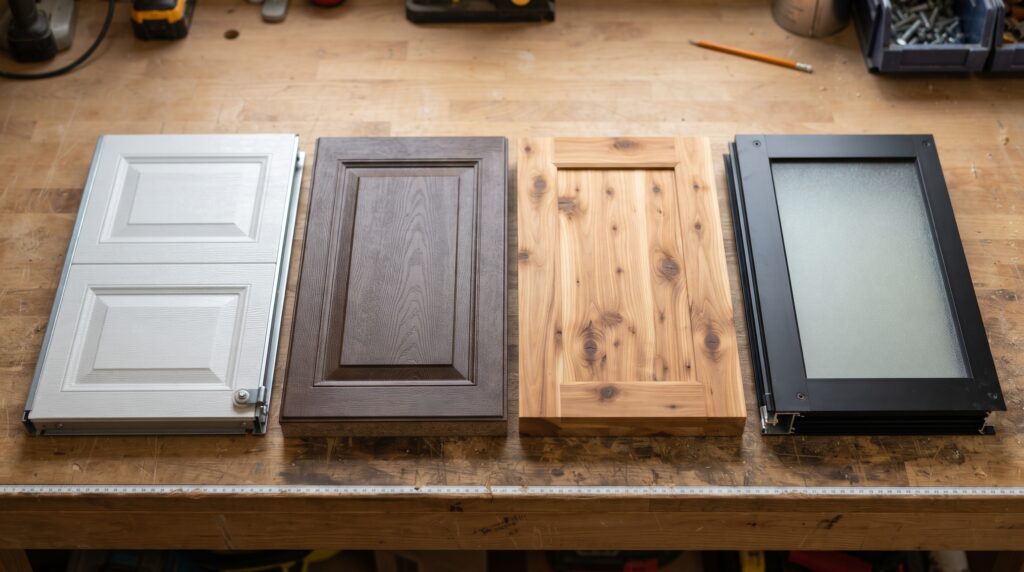
Step 1: Choose the material
Material sets most of the price and decides how much upkeep the door needs for the next 20 years or more.
| Material | Typical installed cost (16×7 double) | Upkeep | Watch out for | Best for |
|---|---|---|---|---|
| Steel | $1,200 – $4,000 | Low | Dents; scratches can rust if left | Most homes; best value |
| Vinyl | $1,500 – $3,500 | Very low | Fewer colors and styles | Coastal areas, busy driveways with kids |
| Wood composite | $2,000 – $5,000 | Low | Quality varies by brand | A wood look without the work |
| Fiberglass | $2,000 – $5,000 | Low | Can fade or crack in hard frosts | Wood look in salty or humid air |
| Aluminum and glass | $2,500 – $6,000+ | Low | Dents easily; poor insulation | Modern and contemporary homes |
| Real wood | $3,500 – $8,000+ | High | Needs refinishing every few years | Period homes, high-end carriage-house looks |
Steel is the default for good reason. Look at the gauge: it’s an odd system where a lower number means thicker steel. A 24-gauge door shrugs off a stray basketball far better than a thin 27- or 28-gauge door. If a scratch goes through to bare metal, touch it up within a few weeks, before rust gets a hold.
Real wood is beautiful, but it’s a commitment. It needs a good finish kept in shape, and peeling paint or stain should be dealt with straight away. If you love the look but not the upkeep, a composite or fiberglass door with a wood-grain finish gets you most of the way there.
Living near the coast? Salt air is hard on steel hardware and thin skins. Vinyl, fiberglass or a heavier steel door with a good factory finish will last longer. In hurricane zones the door also needs to be wind-rated, which we cover in our hurricane garage doors guide.
Step 2: Decide whether you need insulation
An insulated door has a layer of foam sandwiched between the skins. It’s worth paying for if:
- The garage is attached to the house, or has a room above it
- You use the garage as a workshop, gym or laundry
- You live somewhere with hard winters or hot summers
Insulation also makes a door stiffer and quieter, which you’ll notice every time it opens. A detached garage that’s only used for parking can usually skip it.
There are two kinds:
| Insulation | How it’s made | Typical R-value | Good to know |
|---|---|---|---|
| Polystyrene | Rigid foam panels fitted inside the door | Around R-6 to R-9 | Cheaper; fine for mild climates |
| Polyurethane | Foam injected so it bonds to both skins | Around R-12 to R-18 | Stronger, quieter and better insulated |
A word of caution on R-values: manufacturers measure them in different ways, and some quote the foam alone rather than the whole door. Compare doors from the same brand, or ask the installer how the figure was calculated. The industry association DASMA publishes guidance on this. In practice, the bigger wins come from a good bottom seal and perimeter weatherstripping, so make sure the quote includes them.
Our garage door insulation guide goes into more detail, including insulating an existing door.
Step 3: Pick how the door opens
Most American homes have a sectional door, and for good reason. The others solve specific problems.
| Type | How it works | Best for | Downsides |
|---|---|---|---|
| Sectional | Hinged panels roll up and back along tracks | Almost every home | Needs ceiling space for the tracks |
| Roll-up | Narrow slats coil into a drum above the opening | Little ceiling space, sheds, commercial use | Noisier; fewer style options |
| Tilt-up (canopy) | One solid panel swings up and in | Older homes with existing tilt doors | Swings outward; poor seal; mostly replaced now |
| Side-sliding | Sections slide along the wall to one side | No headroom at all | Needs clear wall space; specialist install |
| Swing-out (carriage) | Two leaves open outward like barn doors | Period homes and true carriage houses | Needs driveway space to swing; no standard opener |
Here’s one tip worth knowing: if you’re thinking about a side-sliding door, make sure it won’t slide across an entry door into the house when open. Blocking an exit can fail building code.
Step 4: Get the size right
Standard sizes are always cheapest, because manufacturers stock them.
| Garage | Common sizes (width x height) |
|---|---|
| Single-car | 8×7, 9×7 |
| Single, taller vehicles | 9×8, 10×7, 10×8 |
| Double (two-car) | 16×7, 16×8 |
| Oversized double | 18×7, 18×8 |
Measure the finished opening, not your old door: the width, the height, the headroom above the opening (most standard tracks need about 12 inches), the side room on each side (about 4 inches) and the backroom (the depth of the garage, roughly the door height plus 18 inches or so for an opener). Your installer will confirm all of this, but knowing the numbers helps you spot a mismatch early.
Taller truck or SUV? An 8-foot height costs a little more than 7 feet, but it’s far cheaper to do now than to raise the opening later.
One wide door or two singles? Two singles cost more and usually mean two openers, but you only lose one bay if a spring breaks. If your opening was built for one door, stick with it. Changing it means framing work.
Step 5: Choose a style that suits the house
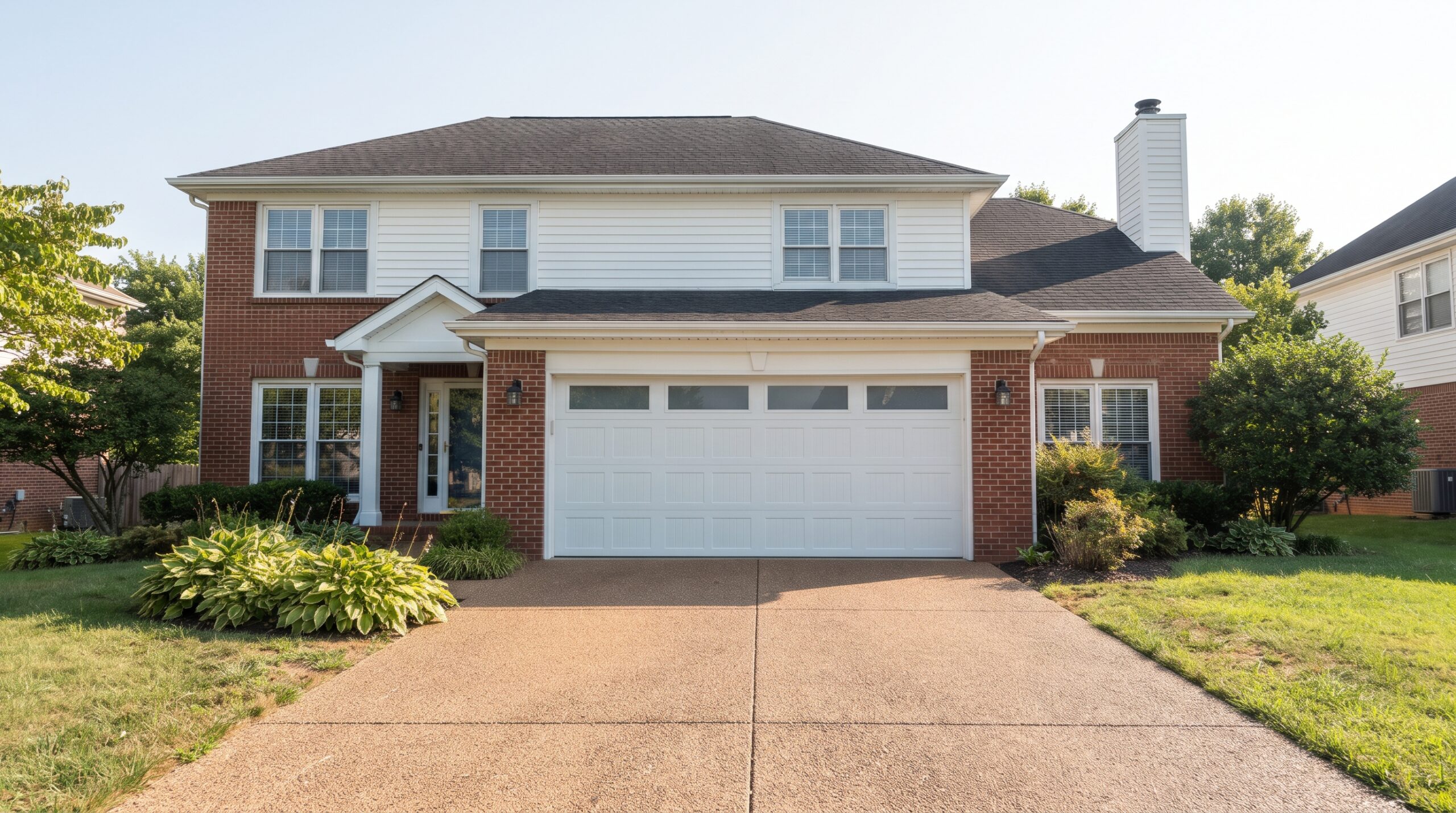
Your garage door can take up a third or more of the front of your house, so it has a big say in curb appeal. A few principles help:
- Raised panel doors suit traditional and colonial homes, and they’re the most common style in America.
- Flush or recessed panel doors give a cleaner, simpler look that suits ranch and transitional homes.
- Carriage-house doors (with decorative handles and hinges, usually still opening as a normal sectional) suit craftsman, farmhouse and cottage styles.
- Modern doors (flush steel, full-view aluminum and glass, or horizontal planks) suit contemporary homes.
Match the front door and trim, not just the siding. If you’re unsure, take a photo of your house to a showroom, or use the “design your door” tool most manufacturers have on their websites.
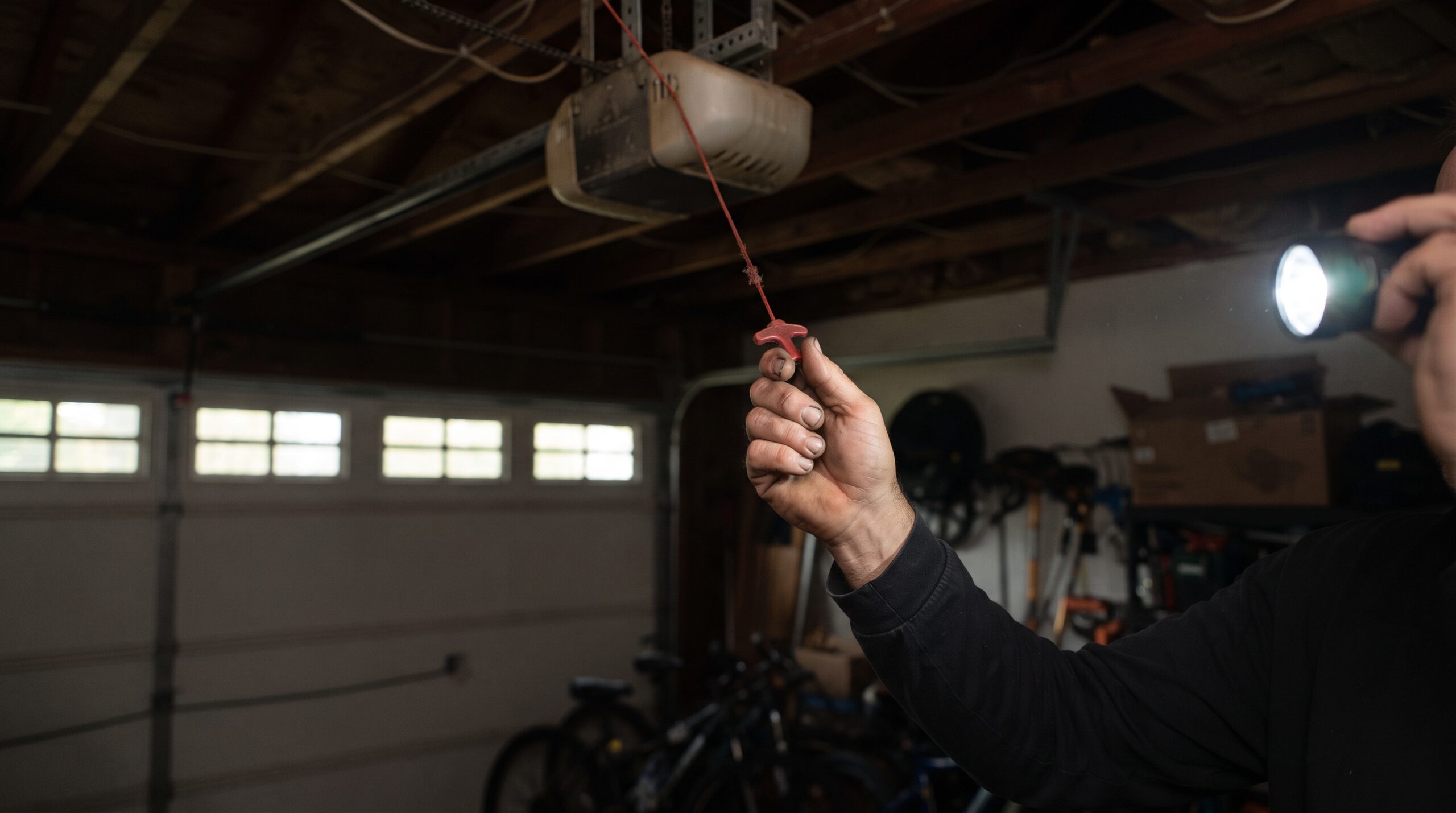
Windows brighten the garage, but think about privacy and security. Frosted or obscure glass stops passers-by looking in, and windows along the top row let in light without a view of what’s inside. Most garage door windows are too small for an adult to climb through, but they can let someone see the release cord or your belongings. Our garage security guide explains how to stop the emergency release being hooked from outside.
Step 6: Think about the hardware and opener
The door is only half the system. Ask about:
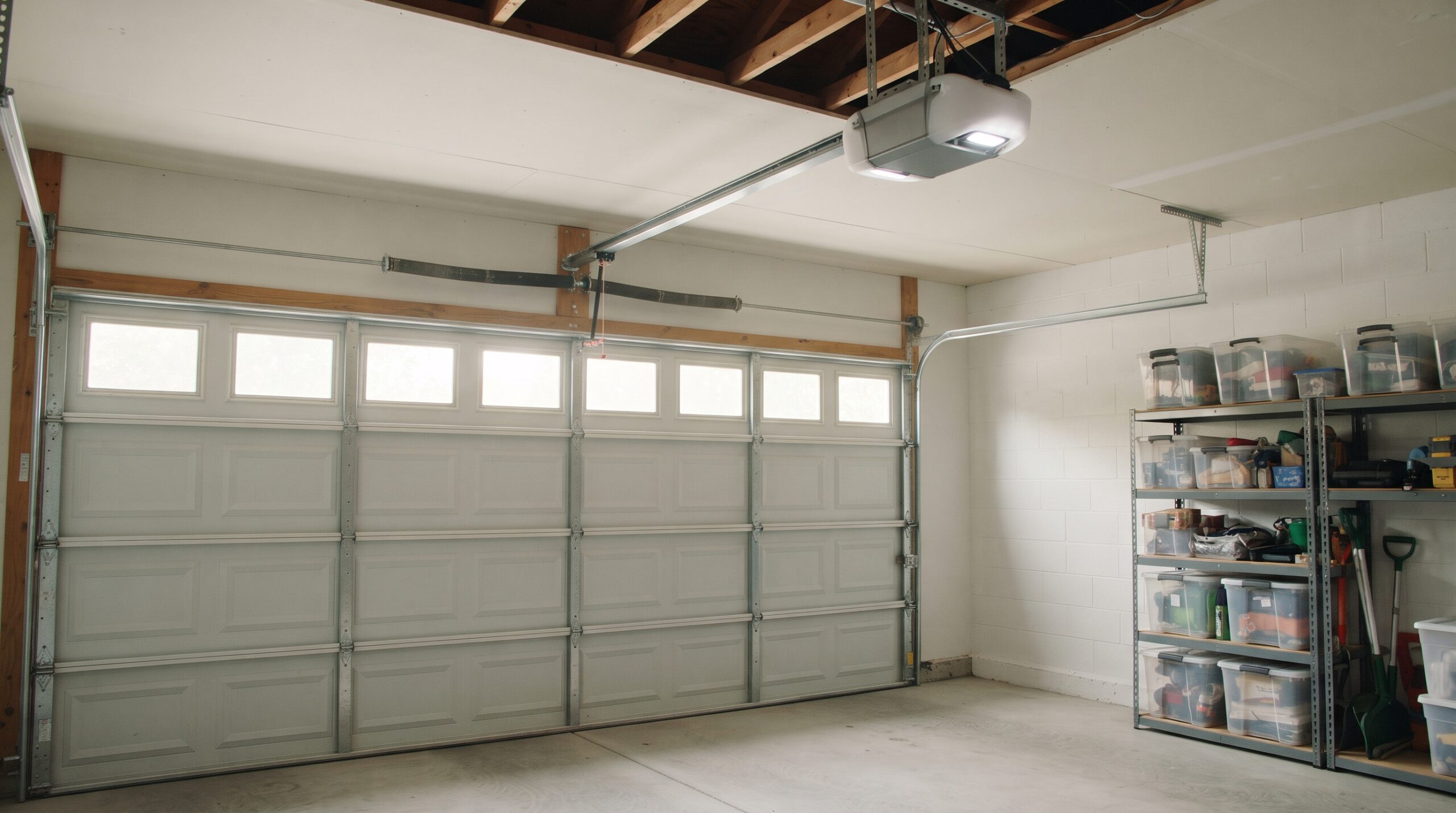
- Springs. Torsion springs (on a bar above the door) are standard on modern doors. Ask whether they’re standard (about 10,000 cycles) or high-cycle (20,000 or more). High-cycle springs cost a little more and can last twice as long. See broken garage door spring for what happens when they wear out.
- Rollers. Sealed nylon rollers are quieter and longer-lasting than basic steel ones, and usually only a small upgrade.
- Wind rating. Required by code in many coastal areas. See wind-rated garage doors explained.
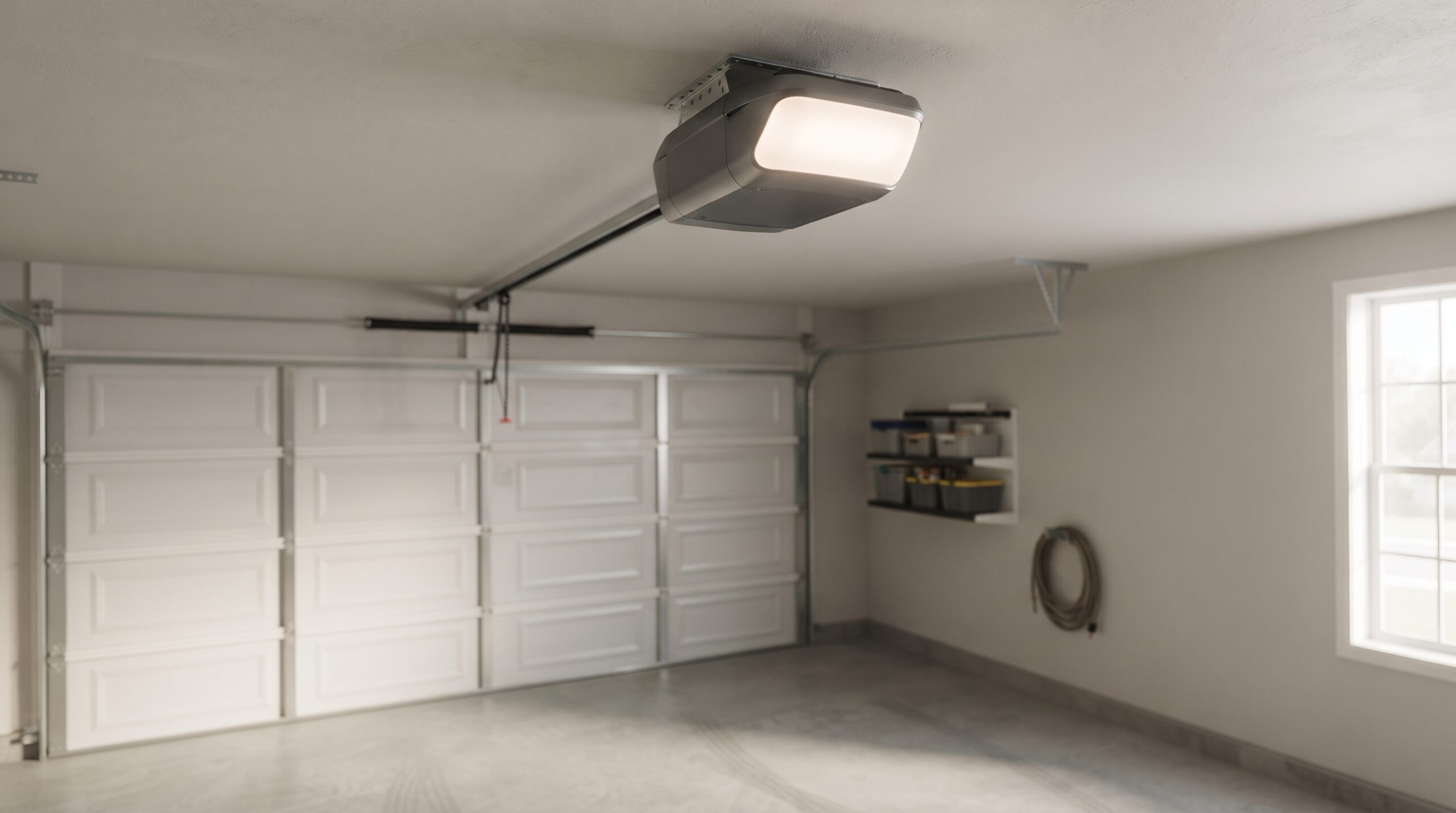
- The opener. If yours is more than 10 to 15 years old, or was made before 1993, replace it at the same time. Doing both together saves a second visit, and a heavier insulated door may need a stronger opener. Our garage door openers guide compares the types, and the opener buying guide covers features worth paying for.
What about brands?
Most doors sold in America come from a handful of manufacturers, including Clopay, Amarr, Wayne Dalton, Overhead Door, C.H.I., Raynor, Haas and Hörmann. All of them make good doors, and all of them also make budget lines.
That’s why the brand on the door matters far less than three other things:
- The model line. Every brand has an entry-level door with thin steel and little or no insulation, and premium lines with heavy-gauge steel and polyurethane foam. A good model from a mid-range brand beats a basic model from a premium one.
- The installer. Most garage door problems in the first few years come from installation, not the door: springs sized wrong, tracks out of line, a poorly fitted bottom seal. A good local installer, and the brands they know well, matter more than the badge.
- The warranty. Compare what’s covered and for how long, separately for the door sections, the finish, the springs and hardware, and the labor. “Lifetime” often applies only to the panels.
Some brands are sold mainly through local dealers and installers; others are also available at home improvement stores. Store-bought doors can be cheaper, but check who does the installation and who you call if something goes wrong.
How much should you budget?
| Project | Typical installed cost (2026) |
|---|---|
| Single-car door, basic steel | $750 – $1,600 |
| Single-car door, insulated or upgraded style | $1,200 – $2,200 |
| Double door, basic steel | $1,200 – $2,200 |
| Double door, insulated steel | $1,700 – $4,000 |
| Double door, wood, glass or custom | $3,500 – $8,000+ |
| New opener added to the job | +$300 – $700 |
Prices include the door, standard hardware, labor and removing the old door, and run higher in big metro areas. For the full breakdown by size, material and extras, see our garage door replacement cost guide. If you’re spreading the cost, our garage door financing guide compares the options.
Is it worth it? Usually, yes. Garage door replacement came top for return on investment in the national 2025 Cost vs. Value report, the second year running it took the top spot. Results vary by market, but a new door is one of the best-value updates if you plan to sell.
Do you actually need a new door?
Before you buy, make sure you’re not replacing a door that only needs a repair. A broken spring, a noisy roller or a door that won’t close are usually fixes of a few hundred dollars. Our repair or replace guide explains how to tell the difference, and our garage door repair cost guide lists typical prices.
Your buying checklist
Take this list with you when you get quotes:
- Material and gauge: e.g. “24-gauge insulated steel”
- Insulation type and R-value, and how the R-value was measured
- Size: confirmed by the installer measuring the opening
- Style, color and windows
- Springs: torsion, and standard or high-cycle
- Rollers and hardware: nylon or steel; new tracks included?
- Weatherstripping: bottom seal and perimeter seal included?
- Wind rating, if you’re in a coastal or high-wind area
- Opener: keeping yours, or a new one quoted separately?
- Removal and disposal of the old door included
- Permit, if your area needs one
- Warranty on the door, finish, springs, hardware and labor, in writing
Get at least three quotes, make sure they’re for the same door, and ask for line-by-line prices. Be wary of any company that pushes for a decision on the day or won’t put the specification in writing.
Get quotes from local installers
Tell us about your door and we’ll connect you with pre-screened local garage door installers who can measure up and quote. It’s free, and there’s no obligation.
Get quotes for a new garage door
Enter your ZIP code to compare prices from local installers. It takes about two minutes, and there's no obligation.
Free, with no obligation to hire.
Frequently asked questions
What is the best material for a garage door?
For most homes, insulated steel offers the best balance of price, strength and low maintenance. Choose vinyl or fiberglass near the coast, and composite if you want a wood look without the upkeep.
Is an insulated garage door worth it?
Yes, if the garage is attached, has a room above it, or you spend time in it. Insulated doors are also stiffer and quieter. A detached garage used only for parking can usually do without.
What gauge steel should a garage door be?
Look for 24 or 25 gauge for a good residential door. Lower numbers mean thicker steel, so 24 gauge is stronger than 27 or 28.
How long does a garage door last?
A well-maintained steel door typically lasts 15 to 30 years. Springs and openers wear out sooner and are replaced along the way.
Should I replace my opener at the same time?
If it’s more than 10 to 15 years old, struggles with the door, or has no safety sensors, yes. Doing both in one visit saves money and makes sure the opener suits the new door’s weight.
How long does installation take?
A standard door usually takes half a day to a day. Custom sizes and special orders can take several weeks to arrive, so plan ahead if your old door is failing.
Can I install a garage door myself?
We don’t recommend it. Setting the springs is the dangerous part of the job, and it’s where most serious DIY injuries happen. Most installers include removal and disposal of the old door in their price.
Sources
- DASMA: Cost vs. Value Report 2025
- Clopay: Garage door replacement tops the 2025 Cost vs. Value report
- This Old House: Garage door cost
- U.S. Consumer Product Safety Commission: Garage door safety
- DASMA: Technical data sheet TDS-163 on garage door R-values
- DASMA: Guidelines for presenting garage door thermal performance